Quitting a job is a significant career milestone that, in 2025, demands deliberate care and professionalism more than ever. In today’s tightly connected job market—where platforms like LinkedIn, Indeed, Glassdoor, and Monster shape reputations globally—how you part ways with your employer can impact your future opportunities long after your last day. Whether you’re stepping into a fresh role through recruiters on CareerBuilder or ZipRecruiter, pivoting to freelancing on Upwork, or seeking flexibility via FlexJobs, leaving your current position gracefully creates bridges rather than burns them.
Often, leaving a job feels like a liberation, but it’s also a moment of reflection on your legacy within the company, your relationships with colleagues, and momentum for your next chapter. Your exit becomes a snapshot of your professional integrity. Smooth transitions not only enhance your standing but keep positive endorsements flowing and networking doors open.
This guide unpacks the strategic steps to resigning with dignity, offers practical advice on crafting handovers and communications, and ensures you preserve goodwill in an era where reputation travels fast and wide. It includes nuanced approaches suitable for various career contexts—from corporate executives to freelancers using platforms such as Hired or Workable. Understanding these essentials turns your departure into a career asset, not a liability.
Mastering the Timing and Method of Your Resignation in 2025’s Dynamic Work Environment
In the evolving professional landscape of 2025, timing your resignation is as critical as the decision to leave itself. A poorly timed exit can stall projects at companies or leave your successor scrambling, negatively affecting your lasting impressions and references. Conversely, a strategically planned resignation reflects foresight and respect for your team’s workflow.
Best Practices for Timing Your Resignation:
- Review project cycles: Avoid resigning during major product launches, budget reviews, or company-wide transitions that demand peak commitment.
- Consider notice requirements: While a two-week notice is typical, senior roles or critical contributions may necessitate longer periods—sometimes up to a month or more.
- Align with benefits timing: If you’re counting on bonuses, stock options vesting, or other benefits, weigh their schedules carefully before handing in your resignation.
- Prepare for remote/hybrid work: In 2025, ensure that your planned resignation accounts for remote worksetups, including scheduling virtual one-on-one meetings and digital handovers.
Initiating your resignation conversation properly sets the tone for your exit. The ideal approach is to speak directly with your manager first before informing colleagues, allowing controlled message dissemination and building trust.
Steps to Take When Communicating Your Resignation:
- Schedule a private meeting ahead of submitting your resignation letter.
- Keep your message professional and focused on gratitude and growth, not grievances.
- Deliver a succinct explanation of your decision without over-sharing.
- Affirm your commitment to facilitating a smooth handover.
Example resignation script: “After much thought, I’ve decided to pursue new professional challenges and will be resigning from my position. I want to express my sincere gratitude for the opportunities and experiences here. Please be assured of my dedication to support an effective transition.”
Timeliness and tact in your departure can preserve valuable endorsements on platforms like LinkedIn and positive reviews on Glassdoor—both crucial as hiring managers increasingly rely on these digital testimonials when sourcing on sites such as Monster, Hired, and CareerBuilder.

Crafting Effective Written Resignations and Documented Transitions
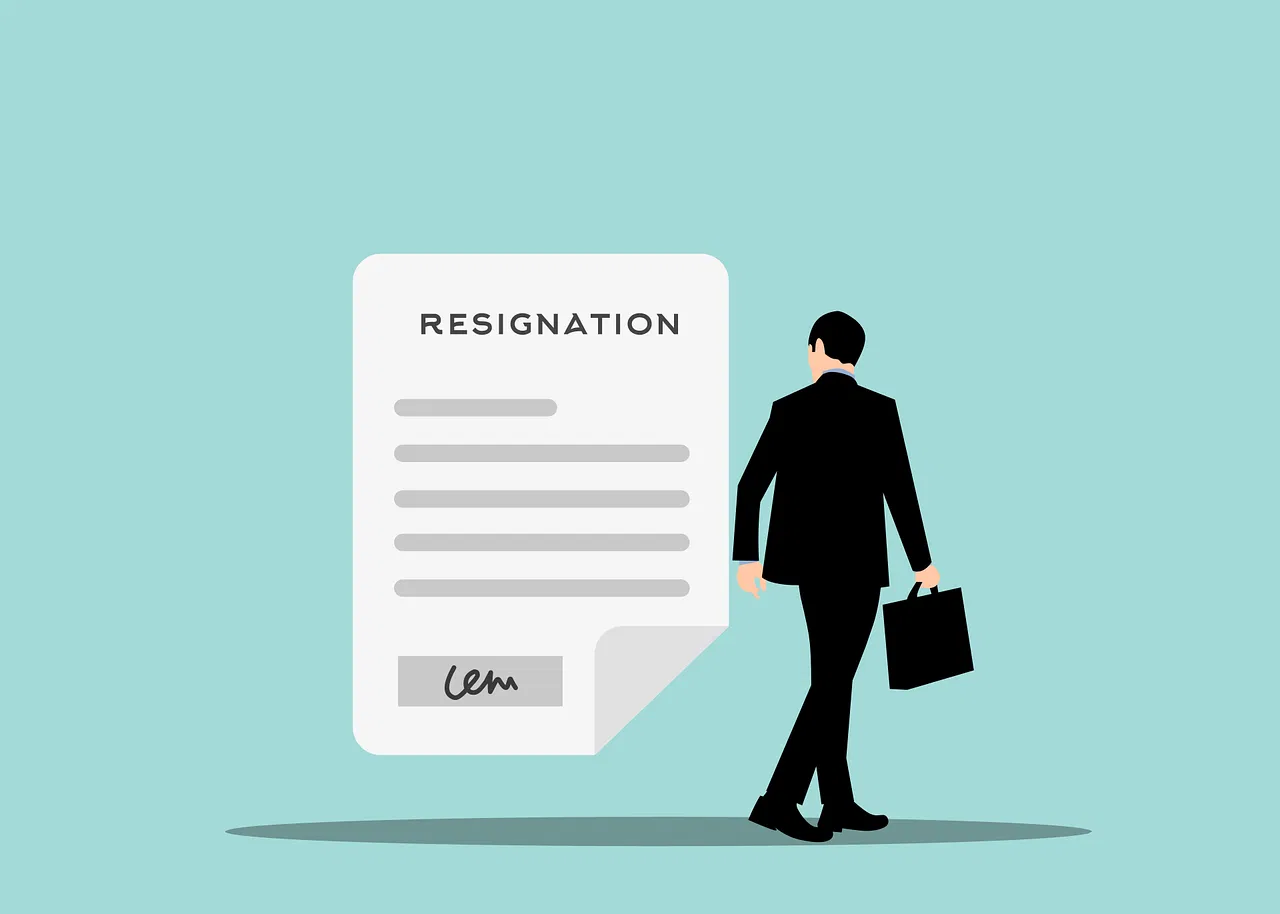
As digital communication continues to dominate the workplace, submitting a written resignation—preferably via email with a formal attached letter—serves multiple positive functions. It creates a clear, timestamped record of your intent. Scanned and signed copies further cement professionalism and reduce the risk of misunderstandings.
Since many companies now manage talent through applicant tracking systems from Workable or FlexJobs screening tools, maintaining documented clarity during resignation is vital for future references and internal HR protocols.
Essentials of Your Written Resignation:
- Keep it straightforward: State your last working day, gratitude, and willingness to assist with transitions.
- Attach a formal letter: A signed letter—scanned and emailed—ensures a professional and archival-quality communication.
- Send it to appropriate recipients: Besides your manager, send a copy to HR or your company’s designated resignation contact.
Beyond the letter, a comprehensive handover document becomes the backbone of your legacy. Detailing ongoing responsibilities, key contacts, project statuses, and any crucial upcoming deadlines helps ease your team’s continuing workflow and sustains your positive reputation.
Key elements in a handover document:
- Summary of current projects including progress and next steps.
- Contact list of internal and external collaborators.
- Pending tasks and suggested priorities.
- Access information for relevant software or platforms.
- Known risks or anticipated challenges.
Offering to assist your successor through onboarding support can further reinforce your professionalism. Even in gig economy contexts facilitated by Upwork or other freelance platforms, such care signals reliability to future clients or employers.
| Step | Description | Benefit |
|---|---|---|
| Resignation Letter | Formal written notification of intent to leave, including last working day | Provides a legal and official record of your resignation |
| Handover Document | Detailed briefing covering projects, contacts, and ongoing tasks | Ensures smooth continuity and reflects professionalism |
| Equipment Return Checklist | List and verify all company property you are returning | Reduces disputes and supports a clean departure |
| Training & Support | Offering to onboard your replacement or share knowledge before leaving | Paves way for a positive exit legacy and future references |
Maintaining Positive Relationships and Communication During Your Last Weeks
Exiting gracefully means more than submitting documents. It involves nurturing ongoing rapport with your employer and colleagues, ensuring your presence is remembered positively and respectfully. This approach sustains your professional network—potentially invaluable for future collaboration or job searches on platforms like Indeed, ZipRecruiter, or Hired.
Stay engaged during your notice period. Attend meetings, meet deadlines, and support team goals wholeheartedly despite your growing detachment. Such behavior contributes to your narrative as a conscientious and dedicated professional.
Strategies to maintain goodwill:
- Communicate transparently but tactfully: When announcing your departure to colleagues, focus on the positive future for the team and your appreciation for shared efforts.
- Write personal thank-you notes: Express genuine gratitude to mentors and peers who enriched your experience.
- Participate in exit interviews thoughtfully: Provide constructive feedback rather than venting frustrations to leave a mature impression.
- Connect on LinkedIn and follow up: Strengthen your network by staying professionally linked with your former coworkers.
Example farewell email excerpt:
“I wanted to let you all know that I’ll be leaving on . It has been a privilege working alongside such a talented team, and I appreciate all the support and collaboration. I look forward to staying in touch via LinkedIn and wish you all continued success.”
Remaining calm and professional even in emotionally charged situations safeguards your reputation. If you have concerns or critiques, channel them constructively for growth-oriented dialogue.

Avoiding Common Pitfalls That Can Tarnish Your Exit Experience in 2025
Gradual awareness about professional branding has increased dramatically by 2025. Any misstep in your resignation can linger indefinitely, amplified by social media feedback loops and digital reputation landscapes monitored by potential employers on sites such as Glassdoor or LinkedIn.
Common mistakes to avoid when resigning:
- Burning bridges: Never vent frustration publicly or privately in ways that damage your image.
- Ignoring contractual obligations: Not adhering to notice periods or exit processes can legally complicate your departure.
- Rushing without planning: Sudden exits create organizational disruption and mark you as unprofessional.
- Neglecting proper communication: Failing to inform your manager before colleagues can sow distrust.
- Bragging about your next role prematurely: This can create negative impressions and divisiveness within your current team.
By preparing systematically, focusing on professionalism, and managing your emotions intelligently, you can avoid these frequent errors and safeguard your brand. This intentional approach benefits your career trajectory, helping secure positive references and future opportunities from your professional network.
| Misstep | Impact | Prevention |
|---|---|---|
| Public venting | Damaged reputation and lost endorsements | Use constructive feedback; don’t vent |
| Ignoring notice | Legal issues and bad references | Follow contract terms strictly |
| Premature sharing | Distrust and gossip among colleagues | Inform manager first |
| Neglecting handover | Team workflow disruption | Prepare thorough handover notes |
| Boasting about new job | Negative team morale | Stay humble and positive |
Leveraging Your Graceful Resignation for Future Career Success and Opportunities
Resigning gracefully in 2025 is more than a formality; it is a strategic career move. The professional world remains tightly interwoven, and reputations forged even years before can influence opportunities on platforms like ZipRecruiter, CareerBuilder, or through freelance marketplaces such as Upwork.
A well-managed exit becomes a stepping stone for your next role, fostering enduring advocacy from past managers and colleagues who can serve as references or collaborators.
Career benefits of a graceful resignation:
- Stronger references and recommendations: Managers are more likely to endorse professionals who depart thoughtfully.
- Network expansion: Former colleagues often become connectors for new roles or partnerships in industries served by sites like Hired or Workable.
- Preserved digital reputation: Positive exit stories shared on LinkedIn and Glassdoor help maintain your professional brand across the internet.
- Confidence and peace of mind: Leaving on good terms brings personal fulfillment and reduces anxiety about future interactions.
Consider joining professional challenges or workshops that focus on setting healthy boundaries—such as the popular “5-Day Say No Challenge”—which equip high performers transitioning to new roles with skills for sustainable success and time management.
Ultimately, your manner of departure will resonate in your career narrative. The time invested in a respectful, proactive exit pays dividends that echo throughout your professional life.

Frequently Asked Questions About Quitting Your Job Gracefully in 2025
- How can I manage my emotions during resignation?
Focus on preparation: plan what you want to say, keep conversations constructive, and emphasize future opportunities. Taking deep breaths and staying composed helps maintain professionalism throughout the process.
- What steps should I complete before giving my notice?
Review your employment contract for notice periods, prepare a written resignation, complete outstanding work, and develop a thorough handover document to assist your successor.
- How do I maintain good relationships with colleagues after leaving?
Communicate your departure respectfully, assist in transition, send thank-you notes, and stay connected through LinkedIn or other professional networks.
- Is it important to offer training to the person replacing me?
Yes. Even informal guidance or introductions can enhance your professional image and contribute to a smoother transition for your team.
- What if I have negative feelings about my employer when resigning?
Express constructive feedback during exit interviews privately and avoid public complaints. Maintaining positivity helps protect your reputation and future opportunities.